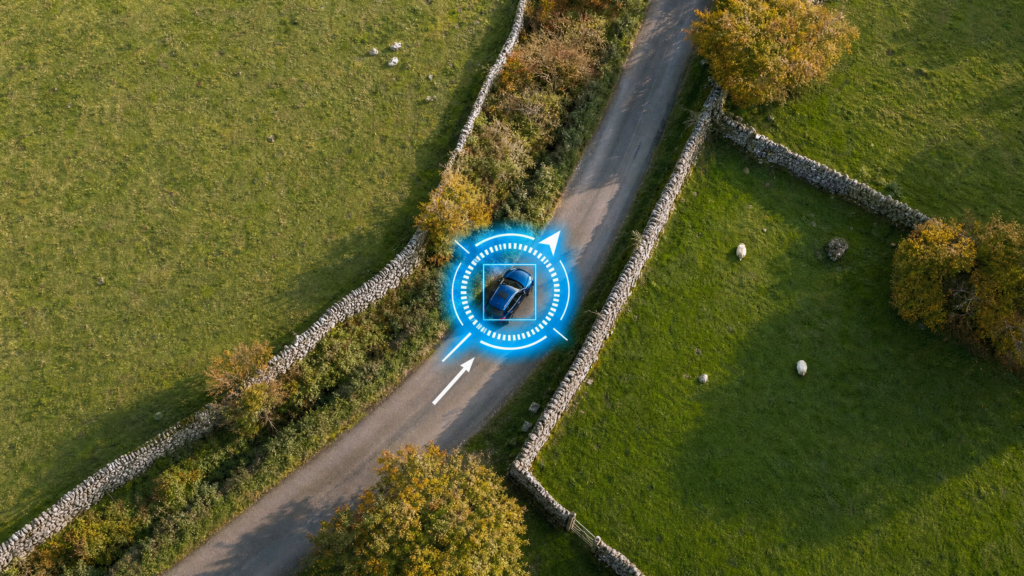
A vehicle can be stolen in minutes, but choosing the wrong protection can leave you dealing with insurance delays, failed claims expectations, and a much lower chance of recovery. That’s why choosing a Thatcham approved product assessed against recognised standards matters, and for many UK motorists, is key to meeting insurer requirements.
Why Thatcham-approved security devices matter
When insurers, finance providers, and owners of higher-risk vehicles talk about approved security, they are usually referring to standards set by Thatcham Research. Rather than relying on claims about a device being effective, you can look at whether it has been tested and categorised for a specific level of theft protection.
That matters most when the vehicle itself is attractive to thieves. Prestige cars, performance models, keyless vehicles, and cars with a strong resale market are all more exposed. If a theft does happen, the right tracking system can improve the chances of locating the vehicle quickly and coordinating a response with police.
What Thatcham approval actually means
Thatcham approval is a recognised indication that a security device has met defined criteria for performance and testing. It is designed to give motorists and insurers confidence that the product is fit for purpose. That confidence is important because not all vehicle security products are built to the same standard, and not all of them offer support once a theft has taken place.
With tracking devices, approval is about more than a unit being fitted to the car. It also relates to how the system works in the real world. That includes monitoring capability, the process for identifying theft, and the ability to support recovery activity. In other words, approval is tied to service as well as hardware.
If there is no accredited category behind it, no recognised monitoring process and no structured recovery response, it may not satisfy your insurer and may not deliver the level of protection you expected.
The main types of Thatcham-approved security devices for cars
Category S7 tracking systems
An S7 tracker is a stolen vehicle tracking system without driver identification that still provides recognised theft tracking capability. It is widely used where insurers want approved tracking without requiring the highest level of driver recognition features.
For many standard and mid-to-high-value vehicles, S7 can be a sensible fit. It offers insurer-recognised protection and a clear recovery focus, usually at a lower ongoing cost than more advanced systems. If your insurer specifically requests S7, choosing that category keeps the decision straightforward.
The trade-off is that S7 does not include the same driver recognition protections associated with S5.
Category S5 tracking systems
An S5 tracker adds driver recognition. That means the system can identify when a vehicle moves without an authorised driver tag being present, triggering an alert to the monitoring service.
For higher-value vehicles and cars more exposed to keyless theft, S5 is often the category insurers ask for. It is also the category many owners choose for added reassurance, even if it is not mandatory. The point is not simply to know where the car is after theft. It is to detect suspicious use sooner and trigger a more informed response.
Categpry S5 Plus and no tag no start options
Some systems, including Trackstars SecureS5 iPRO, go further with no tag no start functionality. This adds a relay theft defence by preventing the vehicle from being driven unless a recognised driver tag is present. For owners of prestige and high-risk vehicles, this can be an important distinction.
How insurers use Thatcham categories
Insurers do not usually ask for approved security for no reason. They use theft data, vehicle risk profiles, claim patterns, and replacement costs to decide when extra protection is needed. If your insurer says your vehicle requires an S5 or S7 tracker, it is usually a condition of cover.
This is where confusion can become expensive. Some motorists assume any tracker will do, or that approval in one category is interchangeable with another, which usually is not the case. If your insurer requires S5 and you install an S7 product instead, you may not have met the terms of your policy.
Choosing the right tracker for your vehicle
The best starting point is your insurer requirement. If there is a mandatory category, your choice immediately narrows. Once that is clear, the next question is whether the protection level suits the vehicle’s real-world risk.
A daily-use family car in a lower-risk bracket may only need an approved S7 system if the insurer asks for it. A prestige SUV with keyless entry, on the other hand, may justify S5 or S5 with no tag no start protection, even where the policy wording is less specific.
You should also look at the service behind the device. Installation quality matters. Monitoring matters. Recovery support matters. A tracker is only as useful as the response built around it when something goes wrong.
That is why motorists often favour providers that combine accredited products, professional installation, app access, and coordination with police and insurers. The value is not just in having technology hidden in the vehicle. It is in having a recognised theft recovery process ready if you need it.
Where Trackstar fits
For drivers who need insurer-recognised tracking, Trackstar’s approach is built around clearly defined protection levels such as Secure S7, Secure S5, and Secure S5 iPRO. That makes the decision easier for owners who want to match their vehicle, insurer requirement, and theft risk without wading through technical jargon.
Just as importantly, the focus is on end-to-end protection. Accredited hardware is one part of the picture, but professional installation, app visibility, and direct support for theft recovery are what turn a tracker into a proper security service.